What Exactly Does a Geisha Girl Do?
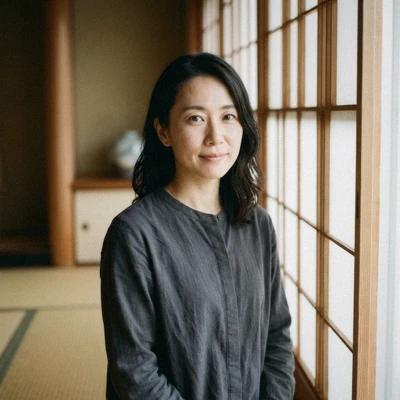
A geisha is a trained performing artist who entertains guests with dance, music, song, tea and conversation, usually at a banquet in a teahouse. So what exactly does a geisha girl do, from the first lesson in the morning to the last banquet at night? This page walks through the work of a Kyoto geiko and her apprentice, the maiko: what happens at a banquet, how the dance and music roles split, what a day and a year look like, what geisha do not do and what the word actually symbolises, then points you to the realistic way to see the work yourself at a geisha show in Kyoto.
Quick answer
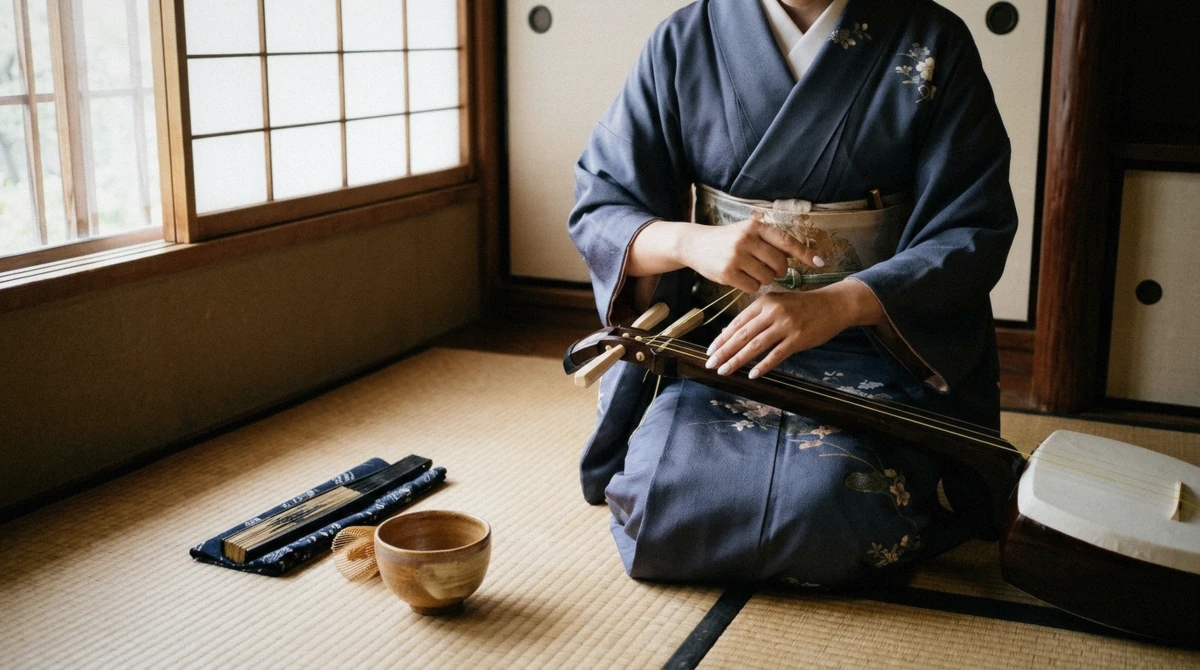
A geisha entertains at banquets called ozashiki with dance, shamisen, song, tea and conversation, and spends her days training, since Kyoto's geiko work evenings and rehearse for months before the April Miyako Odori.
Key takeaways
- Geisha means person of the arts: they perform dance, music and tea ceremony and talk with guests, and fees are charged by the hour
- Two roles share the stage: tachikata dance and jikata play shamisen and sing seated, and in Gion about 60 performers take part in the April Miyako Odori
- Days are lessons and chores, evenings are banquets, and a maiko's hair may be done at 5 or 6 a.m. during the dance season
- Geisha are not sex workers: the 1958 law ended mizuage and the profession is an artistic one
- To watch the work, a one-hour show with a Q&A or a geisha dinner shows it up close
- How geiko differ from apprentices is in geiko versus maiko
Where can you watch a geisha at work?
A booked show gives you the dance, the music and the conversation in one room. The one-hour show adds a Q&A, the meet-and-greet is the shortest and the dinner adds Gion and a meal.
 from $81
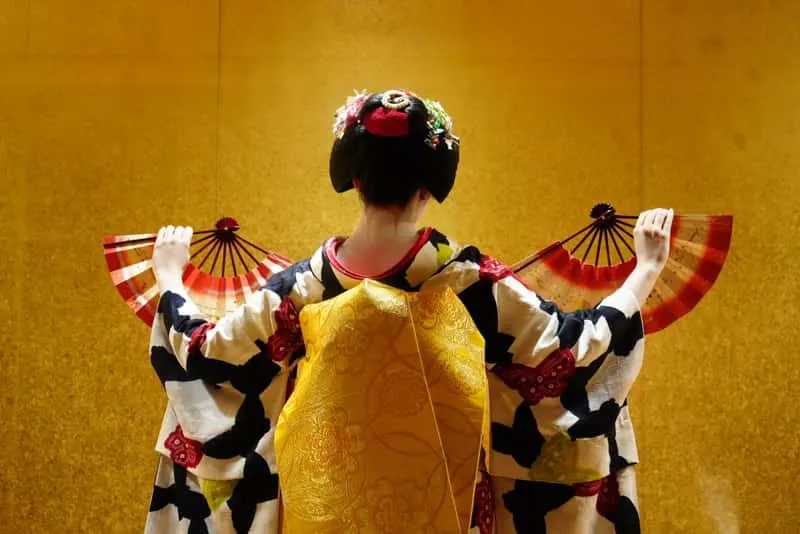
Authentic One-Hour Kyoto Geisha Show with Live Q&A and Photos
A focused one-hour geisha show in Kyoto featuring a live dance performance, an interactive Q&A, and a photo session with the performer. A quick, authentic way to see…
- Live geisha dance performance
- Interactive question-and-answer session
- Photos with the geisha included
- Near Kitano Tenmangu Shrine — easy to combine
 from $48
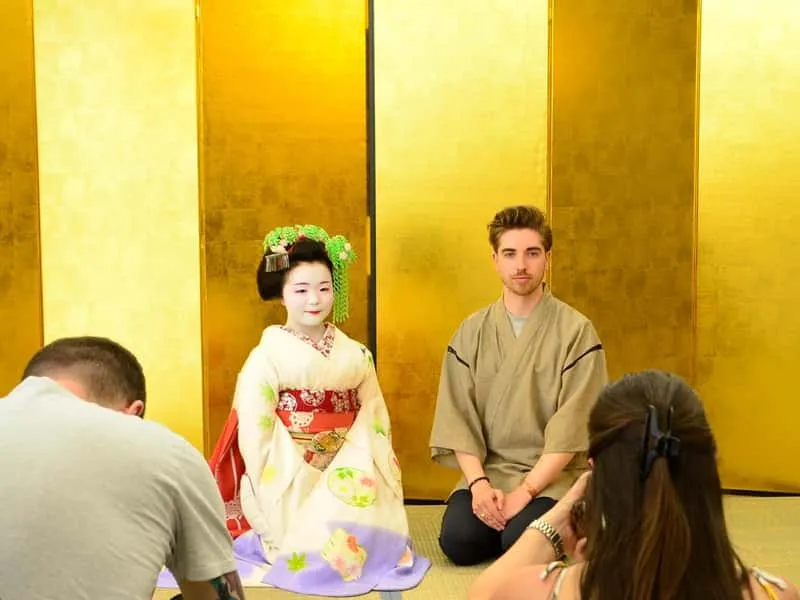
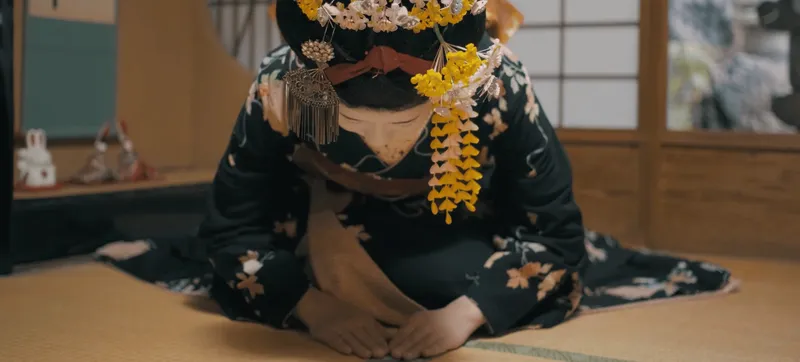
Meet a Real Kyoto Maiko — Intimate Show, Stories & Keepsake Photo
An affordable meet-and-greet with a Kyoto maiko, including a short dance, a friendly chat about apprentice life, and a keepsake photo. The most budget-friendly way to meet a…
- Meet and greet a real Kyoto maiko
- Short traditional dance performance
- Learn about apprentice geisha life
- Keepsake photo included — best value option
 from $105
Gion Geisha Show & Cultural Walk with Traditional Dining
Stroll the lantern-lit lanes of Gion with a local guide, then watch an authentic geisha show in Kyoto before sitting down to a traditional Japanese meal. Combines a…
- Guided walk through Gion, Kyoto's historic geisha district
- Live geisha or maiko performance up close
- Traditional Japanese dining included
- Small group for an intimate cultural evening
What exactly does a geisha girl do?
She entertains. The word geisha combines the characters for arts and person, roughly a person of the arts, according to Tsunagu Japan, and the job is hosting a party with performance. A geisha dances, plays instruments such as the shamisen, sings, serves tea, plays parlour games and talks with guests of every kind, and she does it as a professional who has trained for years.
National Geographic describes geisha performing for guests in tea houses and banquet halls, with music on the shamisen and koto and singing, and it describes one young geisha in Kanazawa who also performs tea ceremony at private dinners. In Kyoto the fully trained woman is a geiko and her apprentice is a maiko, and both work in the districts of Gion Kobu, Gion Higashi, Pontocho, Miyagawacho and Kamishichiken.
Source: Tsunagu Japan, National Geographic.
What happens at an ozashiki banquet?
An ozashiki is a geisha's engagement and lasts part or all of an evening. Wikipedia says geisha are hired to attend parties, traditionally at teahouses or ryotei restaurants, where they dance, play music, sing and converse, and that their flirting is part of hostessing and not a sign of personal interest. Fees were once based on how long an incense stick burned and are now charged by the hour.
Teahouses are not restaurants. The Gion Kagai Art Museum says food is delivered by caterers and that using a teahouse requires an invitation from a trusted regular client, in what it calls a long-term relationship. This is why a first-time visitor cannot simply walk into an ochaya, and why booked shows exist.
This table compares a traditional ozashiki with the shows travellers can actually book, using Wikipedia, the museum and the current show prices.
| Format | Who attends | How you get in | Price |
|---|---|---|---|
| Traditional ozashiki | Regular clients of a teahouse | By invitation from a trusted client | Hourly fee, several hundred dollars for a few hours, Tsunagu Japan says |
| Teahouse show with a maiko | Visitors | Booked online | From $48 |
| One-hour show with Q&A | Visitors | Booked online | $81 |
| Show and dinner in Gion | Visitors | Booked online | $105 |
| Private hour with a maiko | One group | Booked online | $720 per group |
Source: Wikipedia, Gion Kagai Art Museum, Tsunagu Japan.
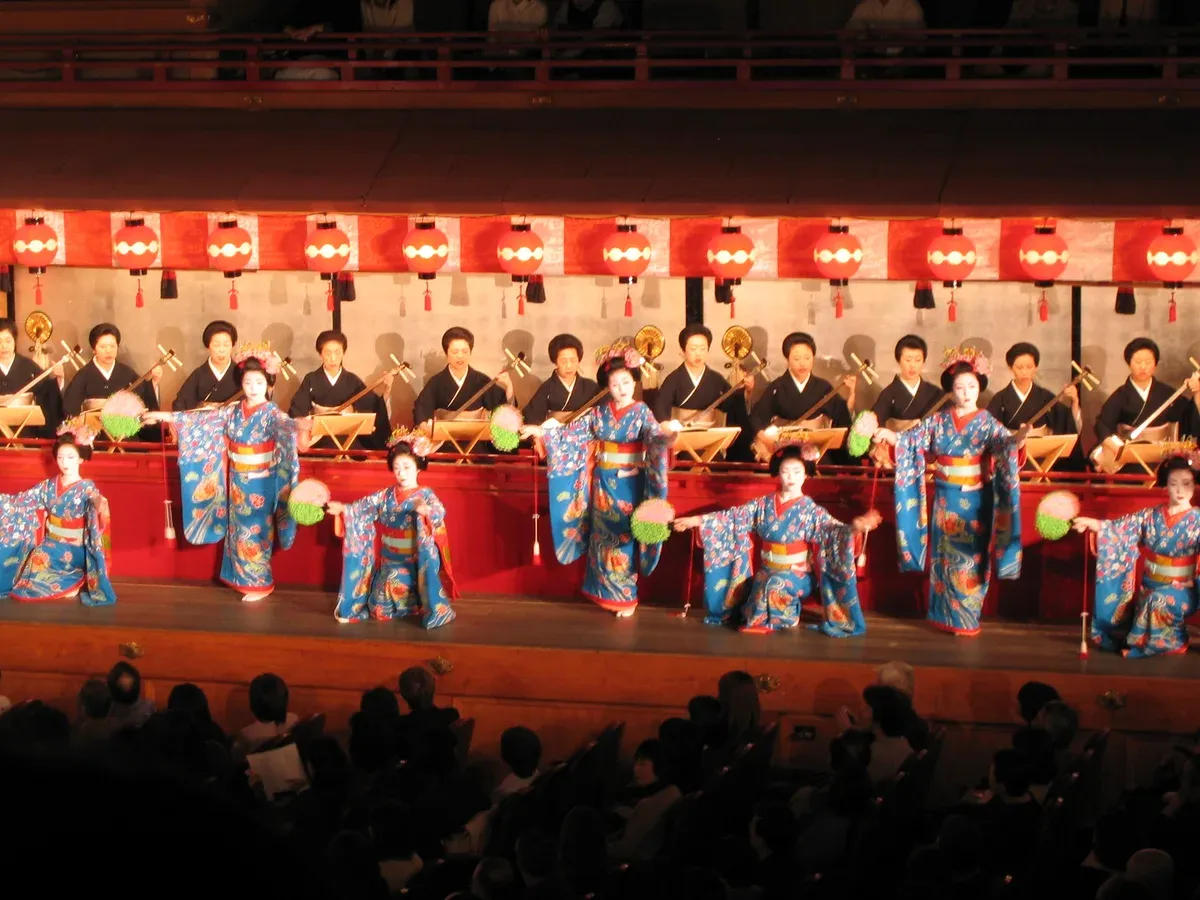
Miyako Odori, Kyoto. Photo: Conveyor belt sushi, CC BY 2.0, via Wikimedia Commons
What do tachikata and jikata do?
The work divides in two. The Gion Kagai Art Museum says tachikata perform dance, flute and other instruments, while jikata play shamisen and sing seated. Geiko choose the programme to suit each party, and a banquet often has one of each.
The dancer's main prop is explained in what is a geisha fan.
The photograph above shows the split on the stage of the Miyako Odori: the dancers in front are in blue kimono with fans, and the musicians seated behind them play shamisen. The dance follows the Inoue school, which has been Gion Kobu's only official dance school since the late 18th century, and the school's head, Yachiyo Inoue, said of the group dance that it is not about personal assertion.
Source: Gion Kagai Art Museum, Premium Japan.
What does a geisha's day look like?
It starts with chores and lessons and ends at a banquet. All About Japan, reporting an interview with a maiko, says that a maiko with no patrons spends her time on household chores and arts such as tea ceremony, calls her superior okaasan, and reads in idle moments. Sports are off limits, partly to protect her hair, skin and body.
Dressing takes time. An experienced maiko told the writer that dressing, hair and makeup take about 30 minutes with help, and Tsunagu Japan puts the daily makeup routine at 30 minutes to an hour. During the April dance season, Premium Japan reports, maiko must have their hair done at 5 or 6 in the morning.
This table sets out a typical week in a geiko or maiko's life, using the three sources named above and the Gion Kagai Art Museum.
| Part of the day | What happens | Source |
|---|---|---|
| Early morning | Hair, and during the April dance, a 5 or 6 a.m. appointment | Premium Japan |
| Daytime | Lessons in dance, tea ceremony and shamisen, plus chores | All About Japan, Premium Japan |
| Evening | Banquets at teahouses and restaurants | Premium Japan, Wikipedia |
| Show weeks | Three performances a day at the Kaburenjo for a month | Gion Kagai Art Museum |
Source: All About Japan, Tsunagu Japan, Premium Japan.
What does a geisha's year look like?
It revolves around one event. Kyoko Sugiura, the proprietress of Ichiriki-tei, told Premium Japan that it is no exaggeration to say the whole year in Gion revolves around the Miyako Odori. Training for the show intensifies from March, when tachikata training begins, and runs to the end of April, and the dance is staged at the Kaburenjo theatre three times a day for a month from 1 April.
The 2027 edition runs 1 to 30 April, and tickets go on sale on 6 January at 10:00 for ¥5,000 to ¥8,000 (about $31 to $50). The first performance was at the 1872 Kyoto Exhibition and 2024 marked the 150th programme. Other districts hold their own dances in other months, and the guide to seeing a geisha without a tour lists them.
Source: Premium Japan, Gion Kagai Art Museum.
What do geisha not do?
They are not sex workers. Wikipedia says the Prostitution Prevention Law passed in 1956 and came fully into force in April 1958, which effectively outlawed mizuage for geisha. The word geisha is also misused abroad: National Geographic's title calls it a misunderstood history.
Day to day, they do not play sports, and they do not welcome being stopped or photographed on the street. The residents' message from southern Gionmachi asks visitors not to stop, touch, follow or take unauthorised photos of geiko and maiko, and Gion photography rules sets out the lanes. Whether they marry is covered in why geishas cannot marry.
Source: Wikipedia, National Geographic, Kyoto Tourism.
How do geisha learn the job?
In stages, over years. The table follows the path as the Gion Kagai Art Museum and Wikipedia describe it, from the first year in the okiya to the collar change that makes her a geiko.
This table lists the stages of a geisha's training and what she does at each, using the Gion Kagai Art Museum and Wikipedia.
| Stage | Length | What she does |
|---|---|---|
| Shikomi (trainee) | Up to a year | Household chores and lessons in dance, etiquette and other arts |
| Minarai | About a month | Watches banquets at one teahouse and charges about a third of a full geisha's fee |
| Maiko | 3 to 5 years | Dances and attends banquets, debut usually at 17 to 18 |
| Geiko | From about 20 to 21 | Collar changes to white, performs as a full artist |
The stage names matter at a show, because the woman in front of you is almost always a maiko or a young geiko who has finished this path.
Source: Gion Kagai Art Museum, Wikipedia.
Do geisha talk with guests, and about what?
Yes, conversation is half the job. All About Japan says an apprentice's training includes dance, music, poetry, calligraphy and games, and games are part of what she learns. All Japan Tours says success needs business sense, artistic talent and enough education to talk with customers of every profession.
At a dinner described by the Amayori founder, the hostesses talked with guests through a translator while one danced and the other played shamisen. The same is true at a booked show: the interpreter lets you ask what you like, within the limits of manners.
Source: All About Japan, All Japan Tours.
Does a geisha earn a salary?
Not in the usual sense. Apprentices live in an okiya and hand their earnings to the house mother until their training debts are repaid, Tsunagu Japan reports, and All About Japan says earnings usually go to those debts and to costs such as hair, kimono and obi. The full picture is on how much geisha girls get paid.
Source: Tsunagu Japan, All About Japan.
Where do geisha work?
In three kinds of place. The first is the teahouse or restaurant, where banquets happen by invitation. The second is the theatre: the Gion Kobu Kaburenjo stages the Miyako Odori, and the Gion Kagai Art Museum, which opened in May 2024, has a second-floor stage where visitors can watch geiko and maiko dance and take a commemorative photo, with advance online booking recommended.
The third is the street, which is where they walk between the two. Gion Corner, at the end of Hanamikoji, adds a sampler with maiko dances at 18:00 and 19:00 on its show days. Each of the five districts has its own schedule, so the guide to staying in Gion or downtown explains which base suits which show.
Source: Gion Kagai Art Museum, Kyoto Tourism.
What does a geisha symbolise?
Skill and continuity, and not subservience. The Gion Kagai Art Museum shows the work as inherited craft: hairpins that change monthly with the season, okobo clogs over 10 centimetres tall and a dance school that traces its history to Inoue Sato, born in 1767. Mameki, a geiko, told Premium Japan that she feels pressure to be a role model for the younger generation.
Hollywood's version is different. The novel Memoirs of a Geisha is the source of many ideas visitors bring, and the page on are Kyoto geisha shows authentic explains how staged the bookable shows are.
Source: Gion Kagai Art Museum, Premium Japan.
What is the realistic way to see a geisha work?
Book a show. A teahouse banquet needs an invitation, and Gion Corner is a sampler. A show with a maiko puts you in the room: the meet-a-maiko show is 45 minutes, the one-hour show adds a Q&A and the private hour is for one group.
The geisha dinner show in Gion adds a walk and a meal. Compare them on the Geisha Show Kyoto homepage.
Frequently Asked Questions
What is the difference between geisha and geiko?
Geiko is the Kyoto word for a fully trained geisha, and maiko is her apprentice. The terms are explained in geiko versus maiko.
Do geisha sing and play instruments?
Yes. Jikata play the shamisen and sing, and tachikata dance, according to the Gion Kagai Art Museum.
How long does it take to become a geisha?
Nearly a decade, National Geographic says, including a probationary period, an apprenticeship and further training.
Do geisha get paid by the hour?
Yes. Wikipedia says fees are now charged by the hour, where they once followed the burning of an incense stick.
Are geisha prostitutes?
No. They are performing artists, and Japan's 1958 law ended practices such as mizuage.
Can tourists meet a geisha?
Yes, at a booked show with a maiko, such as the meet-a-maiko show for $48.